ChiTown Drive-In
2020–2025
From serving popcorn on the first night to leading marketing and development, I helped grow Chicago’s only drive-in movie theater into more than a pandemic pivot. From 2020 to 2025, I built the audience, the brand, and the community around it. My final initiative was a fifth-anniversary integrated marketing campaign to save the drive-in: rebuilding its website, reviving email, and opening a pipeline for private events and cultural partnerships.
The beginning · 2020
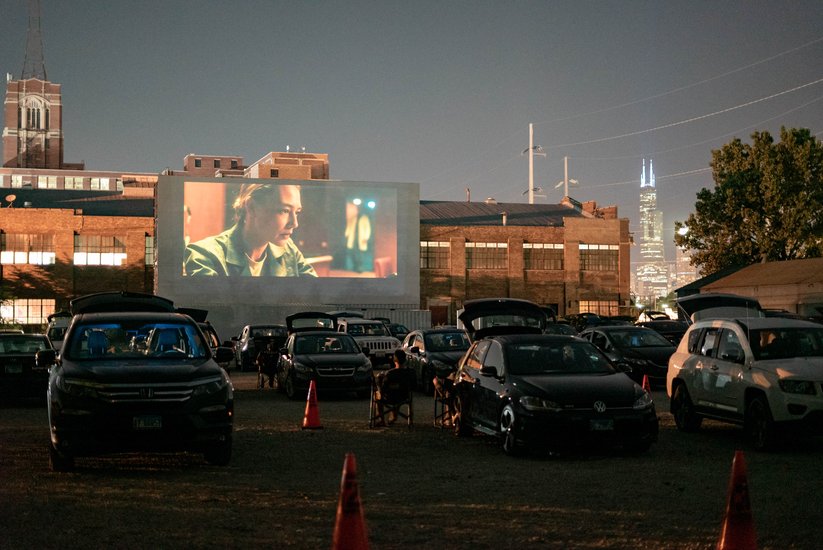
ChiTown Drive-In opened in Pilsen because the pandemic left few safe places to go. I was there from the first night, serving popcorn and helping build a new kind of gathering space. What began as a way to keep people connected became an opportunity to restore the drive-in as a vibrant city hub.
Building the audience and the brand · 2020–2025
From managing brand culture from its inception to working as Marketing and Community Manager and Director of Marketing & Development, my work connected the screen to the streets: building audiences, curating content, and turning open-air cinema into an open invitation for joy.
I grew ChiTown Drive-In’s Instagram past 10,000 followers with no paid ads. The work was about more than a movie schedule: giving people a reason to return, shaping the experience, and building the community around it until it became a city destination instead of a pandemic stopgap.
From the drive-in
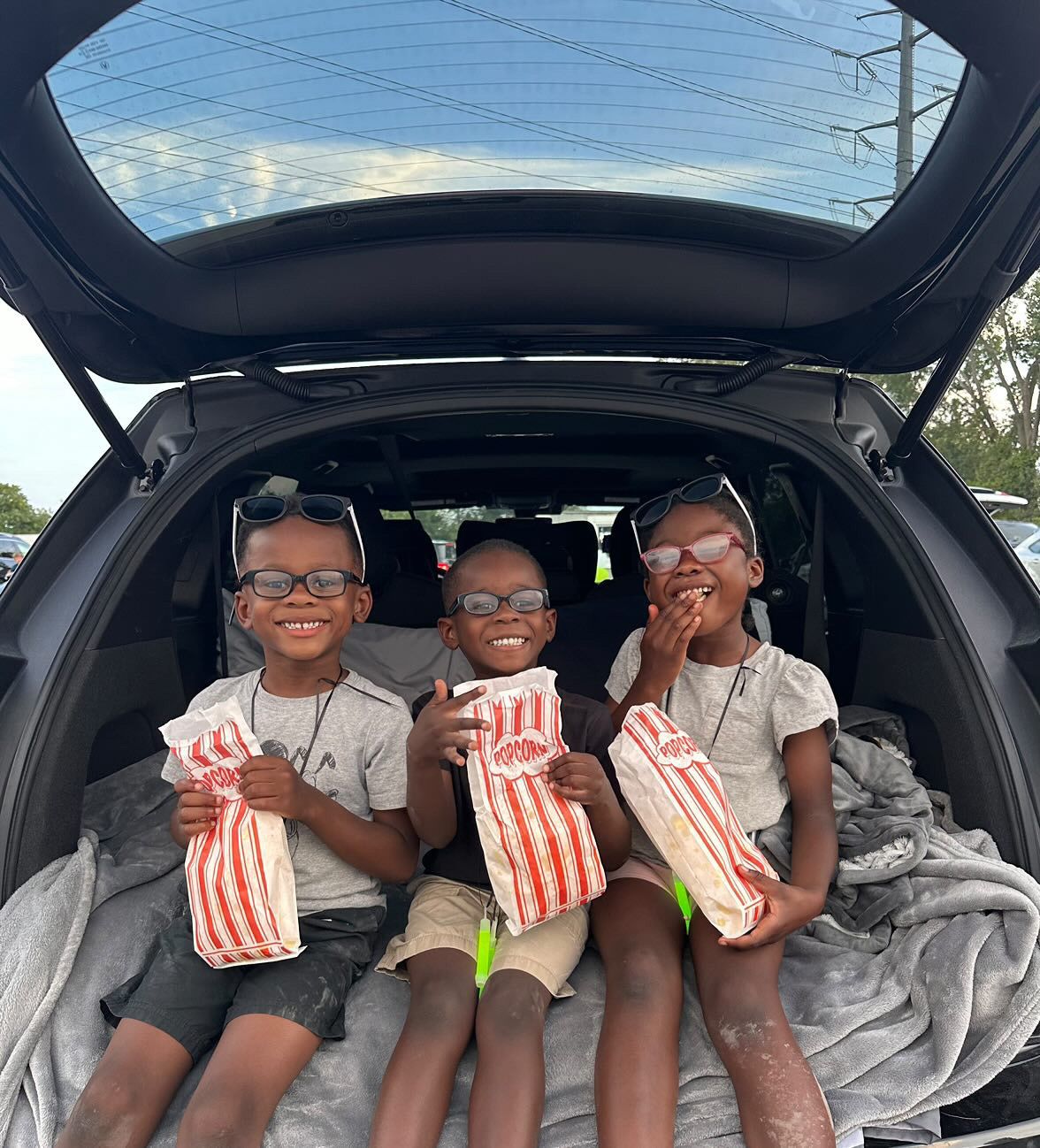
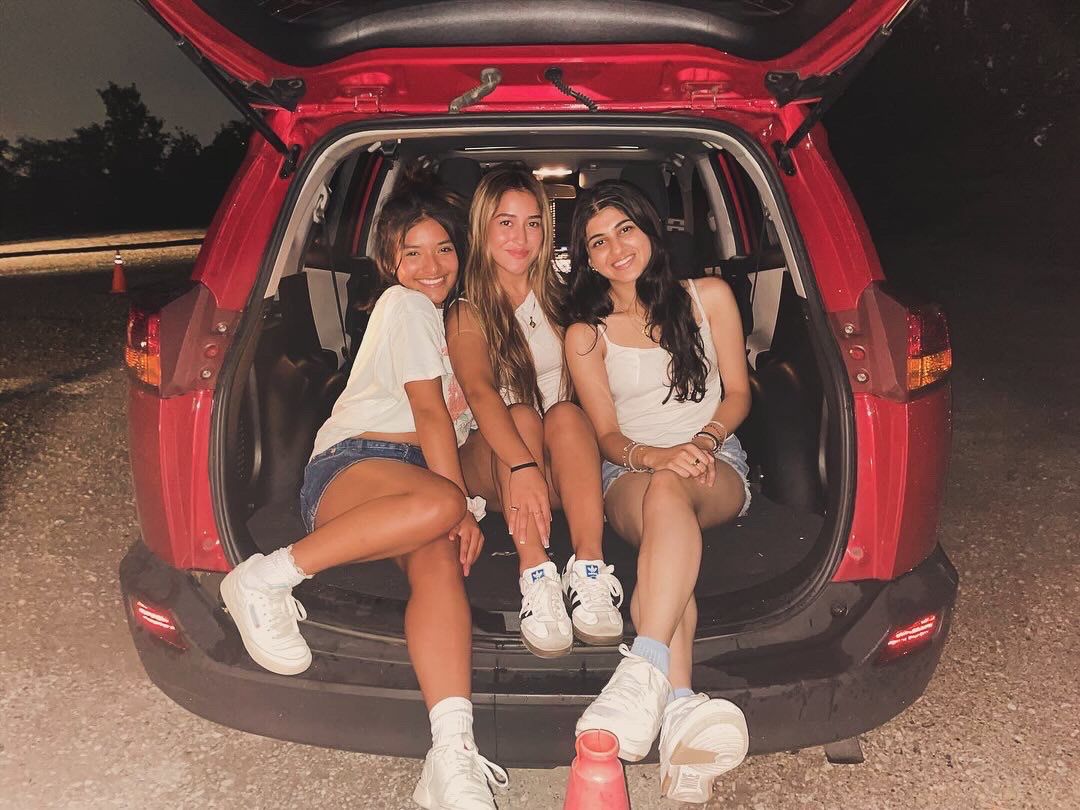
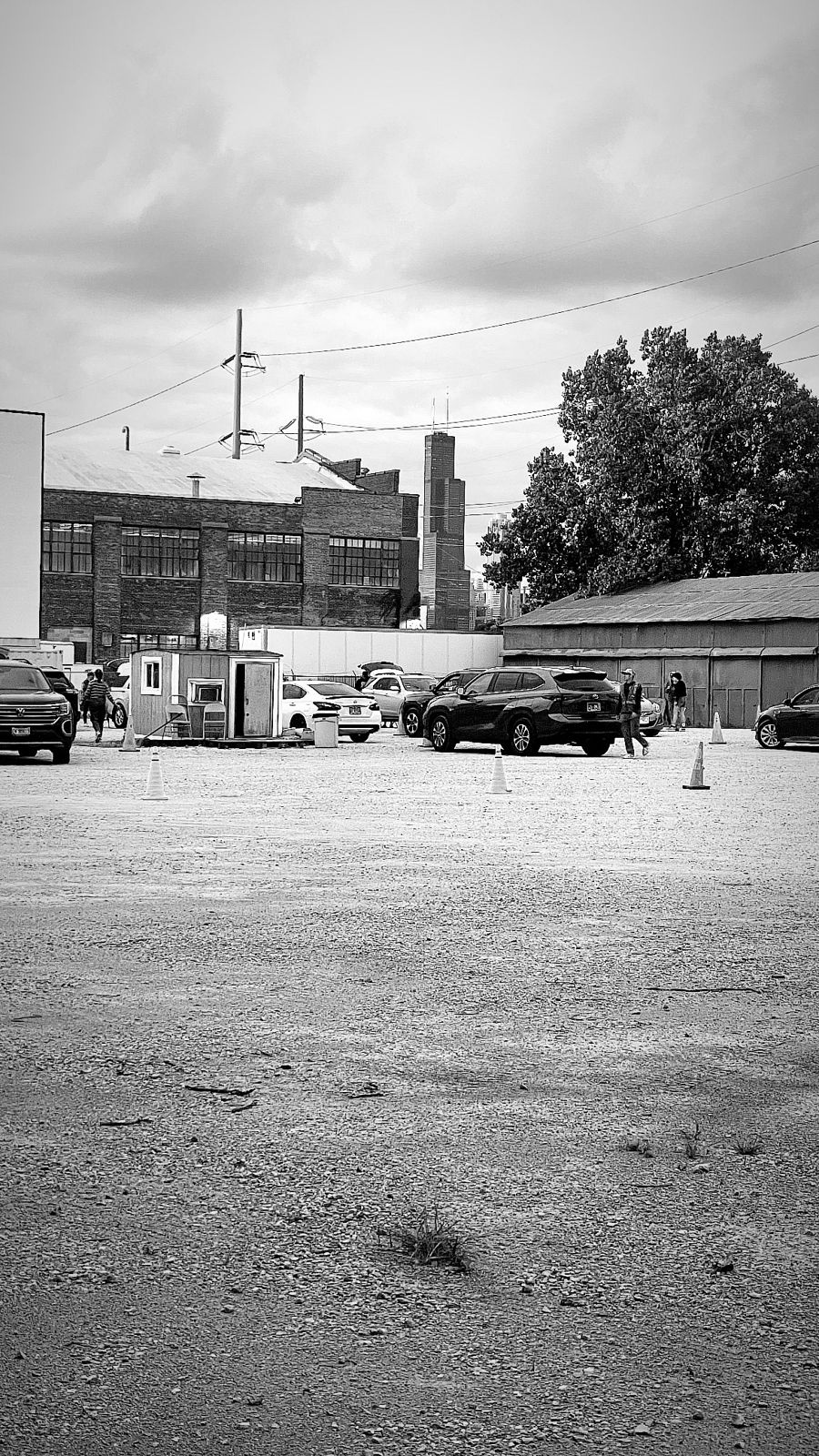
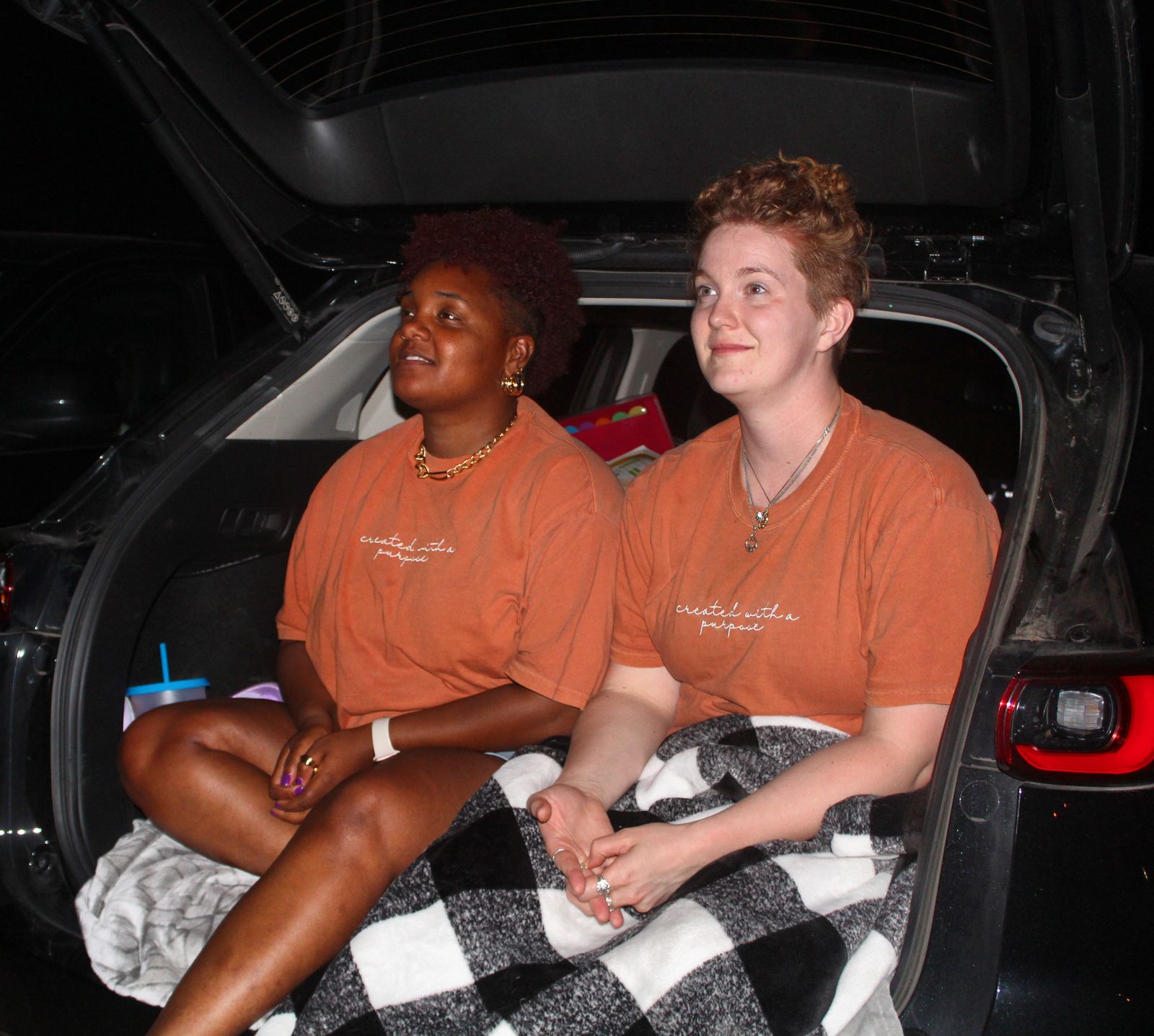
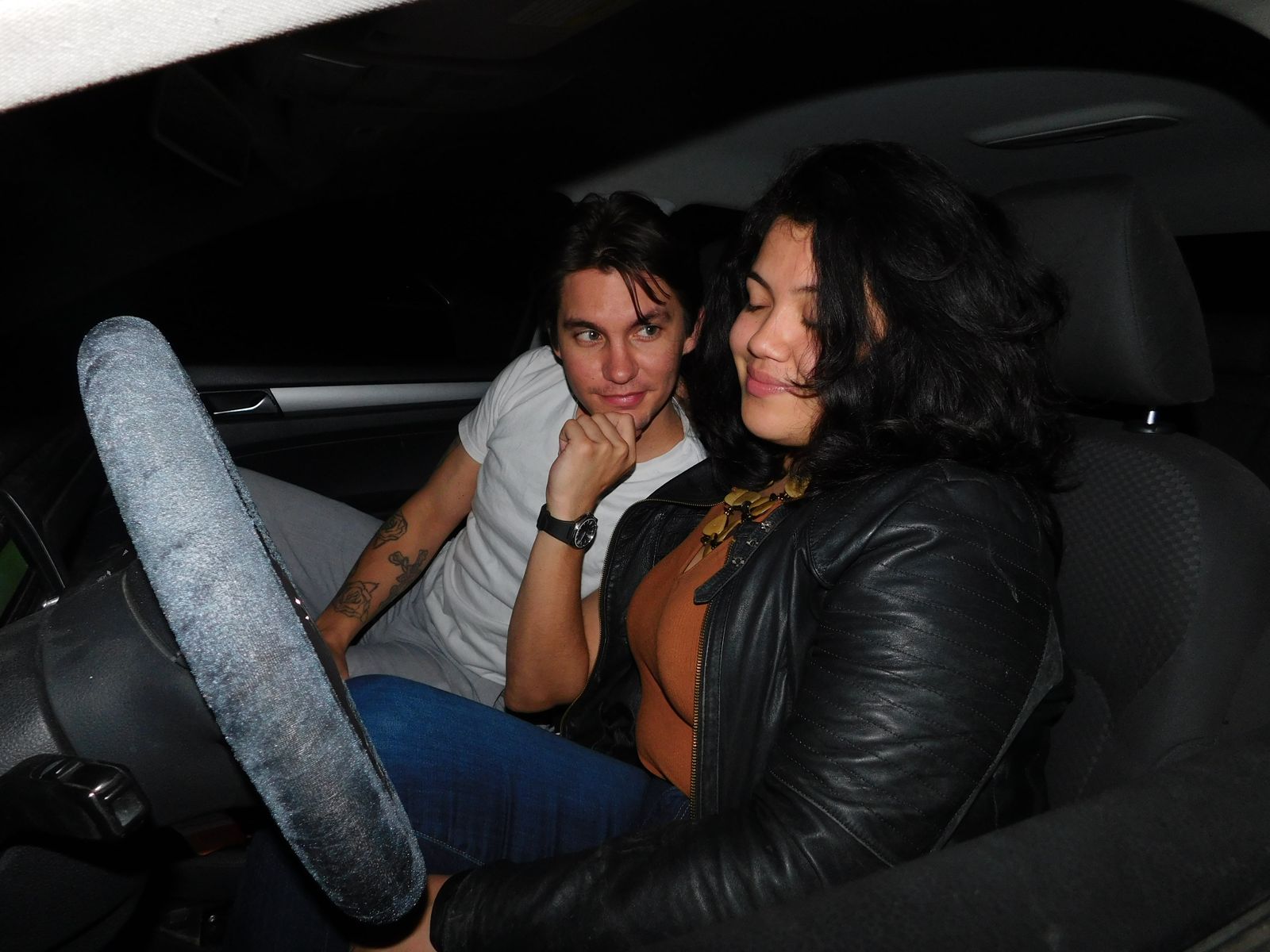
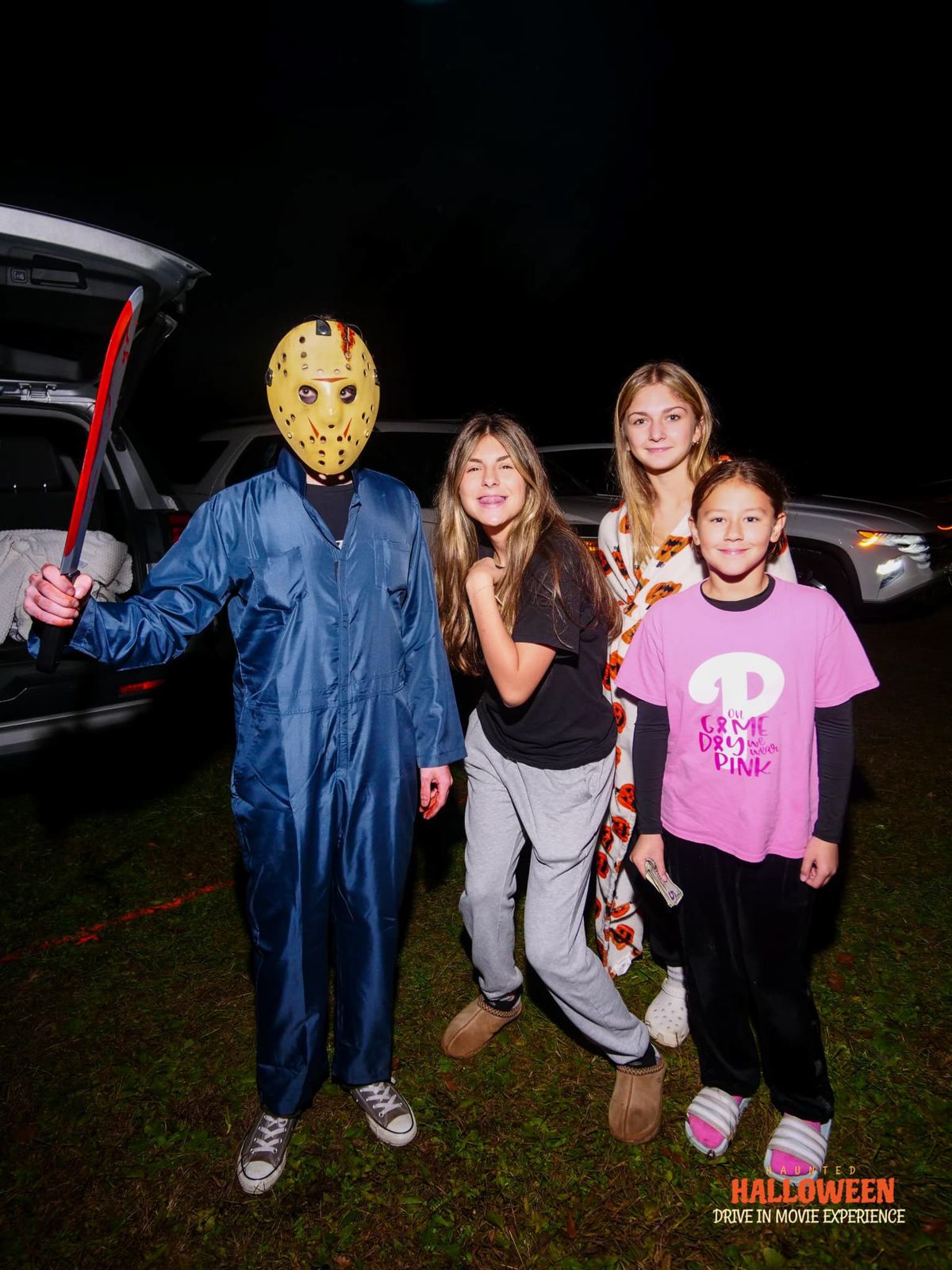
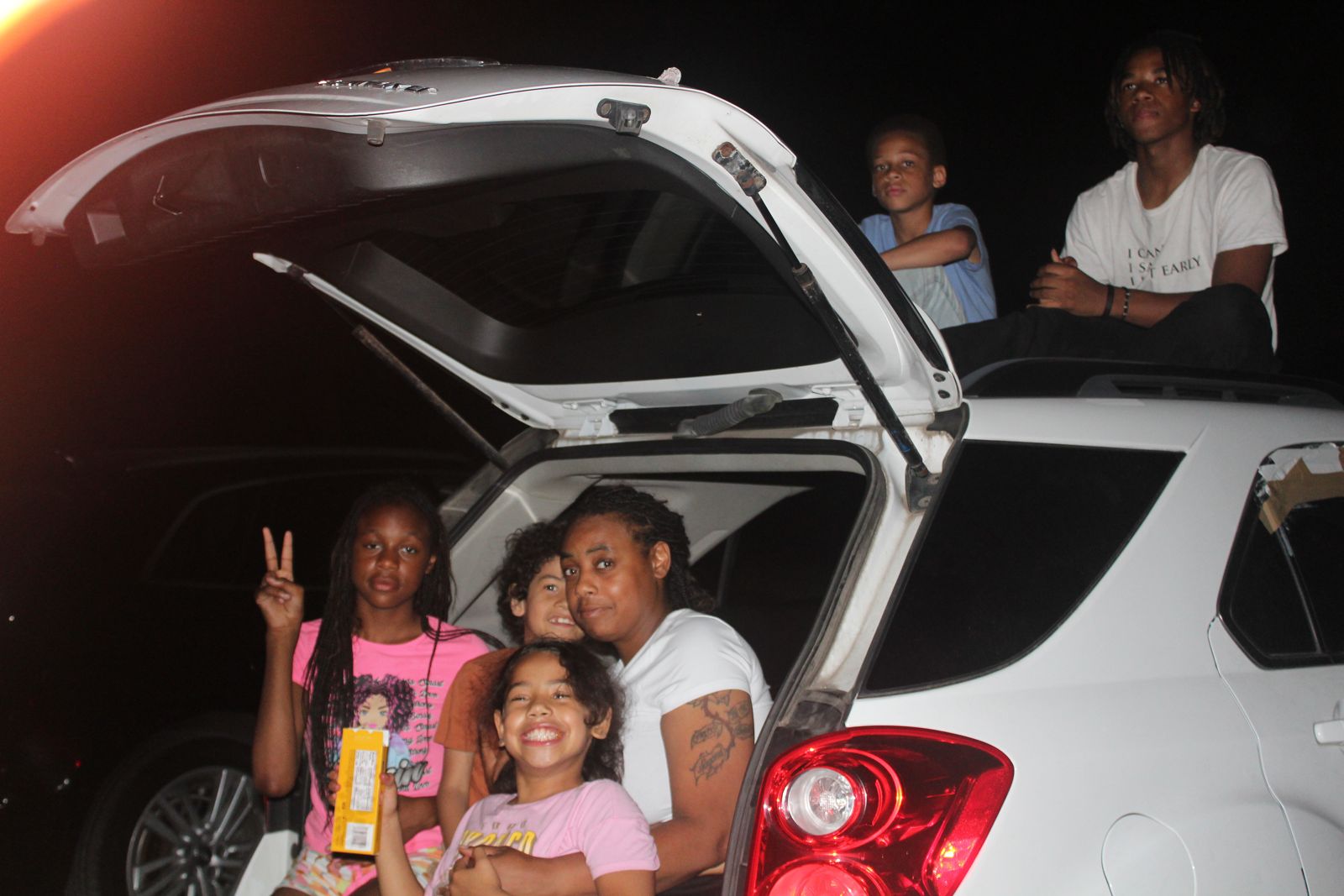
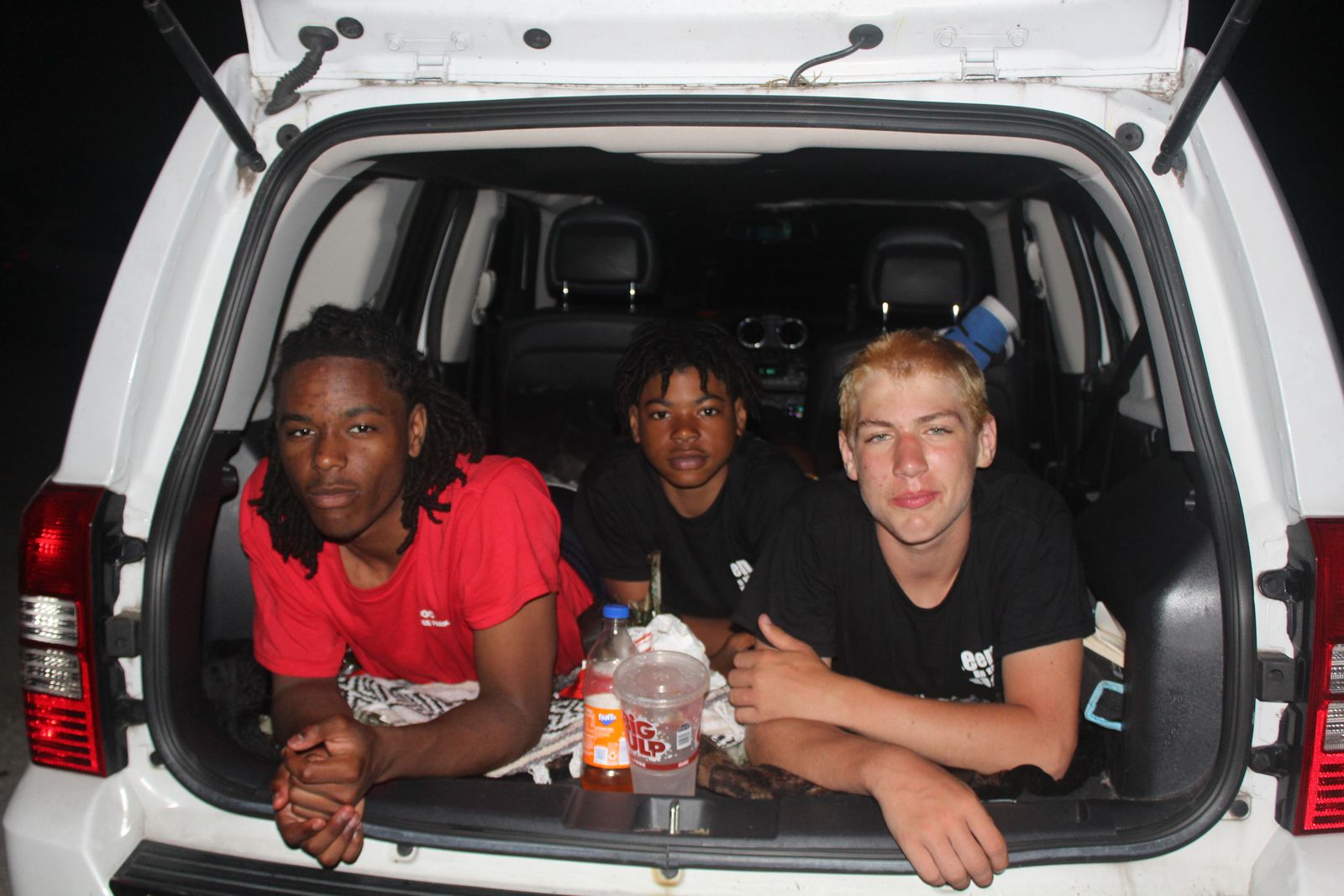
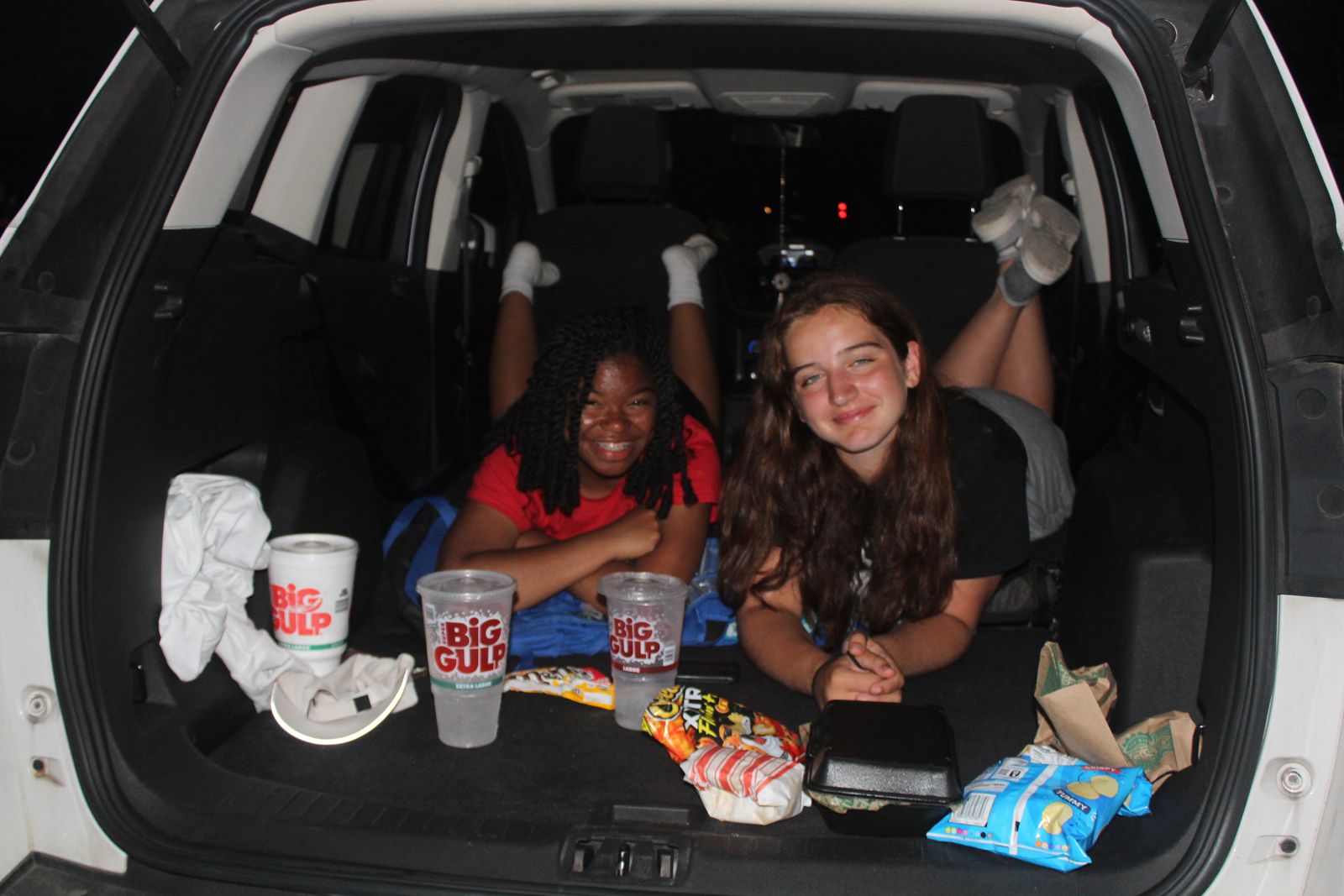
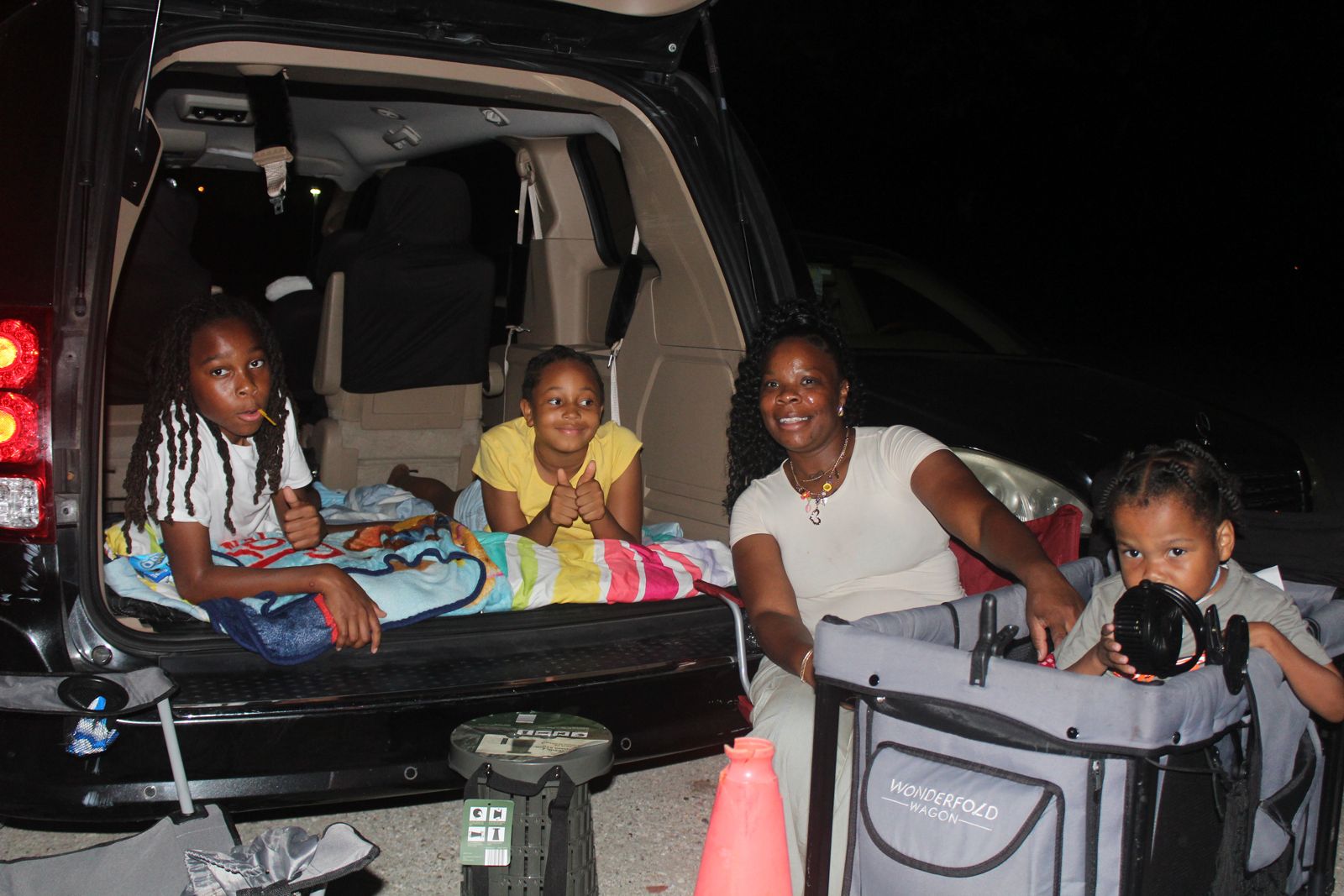
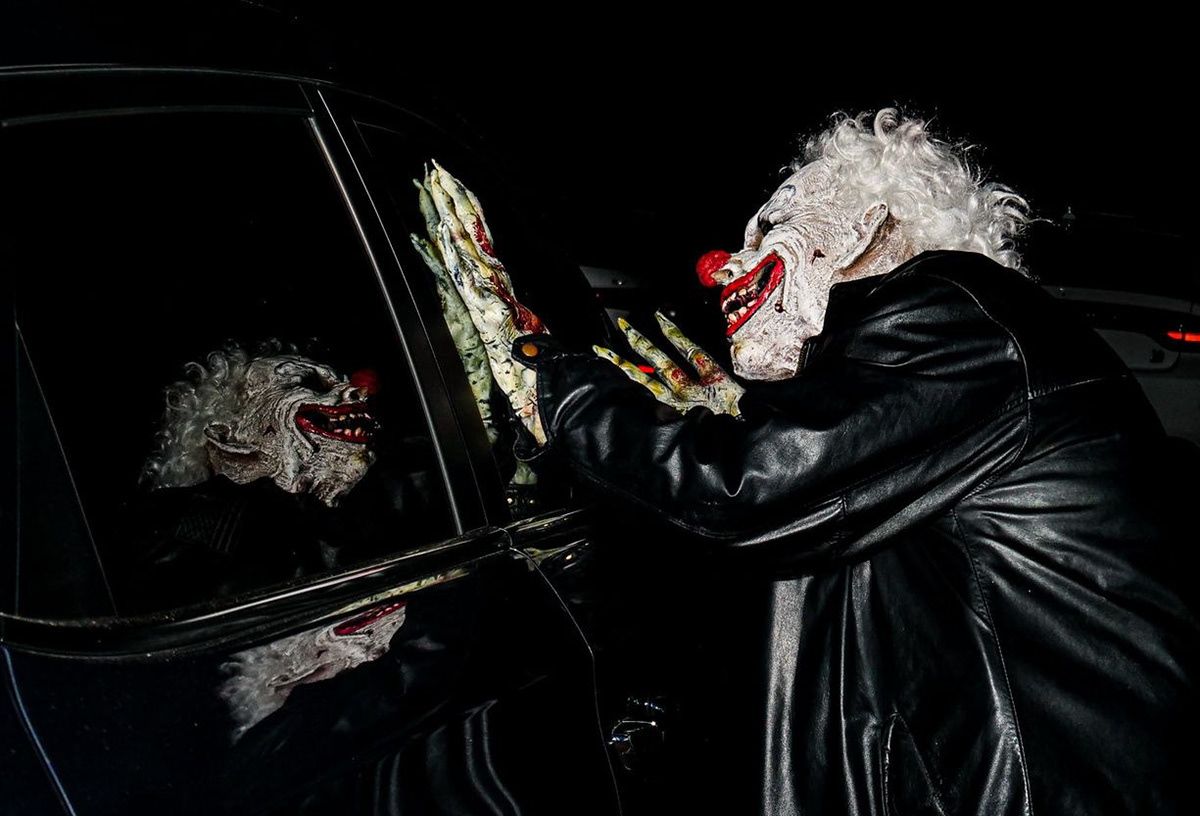
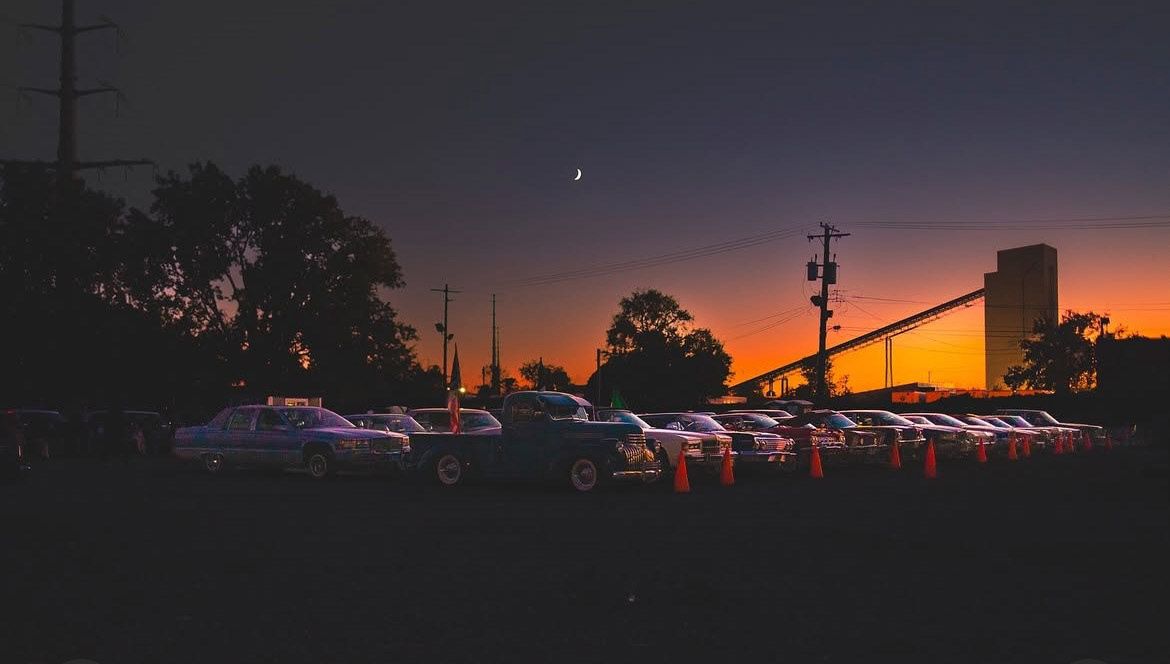
His and hers influencer outreach. Theaters never have good food—so we had a foodie come. Melissa's reel spoke to women, Chris's spoke to guys, and together the two videos reached about 80,000 views.
My final initiative · The fifth-anniversary campaign
ChiTown Drive-In turned five, and the business had been declining since the end of the pandemic that made it. As Director of Marketing & Development, I ran the campaign to fix that — one integrated project. It was incepted by the website overhaul, then carried into the email subscription program and the private events inquiry pipeline, with the new site traffic there to feed both.
The pandemic was over. Turning five was our chance to pivot. Restrictions were gone, indoor theaters were open, and the drive-in had to prove it was more than a pandemic stopgap. Turning five became the opportunity to legitimize what we had built and pivot into a permanent Chicago institution: stop selling the venue as a substitute for something people couldn’t do, and start selling it as something they’d choose on purpose.
Directed, produced & written by Jonathan Williams · Director of Marketing & Development, ChiTown Drive-In.
Campaign results
- ~4% → ~34% email open rate after rebuilding a dormant channel.
- 6 sends per year → 2 sends per month, aimed at an engaged audience.
- 150+ event inquiries in 6 months.
- 3 website pages written and designed by hand.
- 2 “Best of Chicago” awards in 2025, both featuring me.
Part one · Rebuilding the website
Rebuilding the front door around identity and revenue, not just showtimes. The old site wasn’t really a site — it was a domain with a Ticketmaster checkout section. It could sell you a ticket, but it couldn’t tell you what the place was, why it existed, or that you could book it for yourself. I partnered with an engineer at Webflow to turn it into a real site: the bones I would need to actually maintain and grow, built around the story, the experience, and the revenue surfaces it was missing.
Every move was aimed at the same scoreboard — more engagement time, more clicks, more pages per visit, and a lower bounce rate. These were the website’s goals; the reported results above are the email and inquiry numbers.
A rebuilt homepage. The new home page leads with what’s playing now — movie posters, photos and reviews from guests, a full food menu, and a map with linked directions. It turns the site from a checkout into a place people browse before they buy.
An About page. A real origin story — why the drive-in died in America, why the pandemic brought it back, and why this one stayed. It gave the brand a point of view instead of a schedule.
A Private Events page. A bookable path for private buyouts — birthdays, corporate nights, celebrations — turning the lot into rentable inventory on nights it wasn’t running public shows.
The brand film I directed and edited for the site’s hero — the mood the whole rebuild was built to deliver.
Part two · Reviving the email program
When the marketing function consolidated, I took over an email program that was effectively dead: roughly six sends a year, a ~4% open rate, and stale list data dragging every metric down. The website had no email subscription connection, so the list wasn’t being fed by the audience already visiting. I treated it like an asset that had been left switched off, not a lost cause.
I hand-coded the HTML so the emails actually looked like the brand instead of a default template. I rewrote subject lines as the lever they are — testing offers like coupons right in the line — and cleared bounced and dead addresses so the list was real. Then I scaled cadence to twice a month, aimed at people actually engaging. Open rates grew to ~34%.
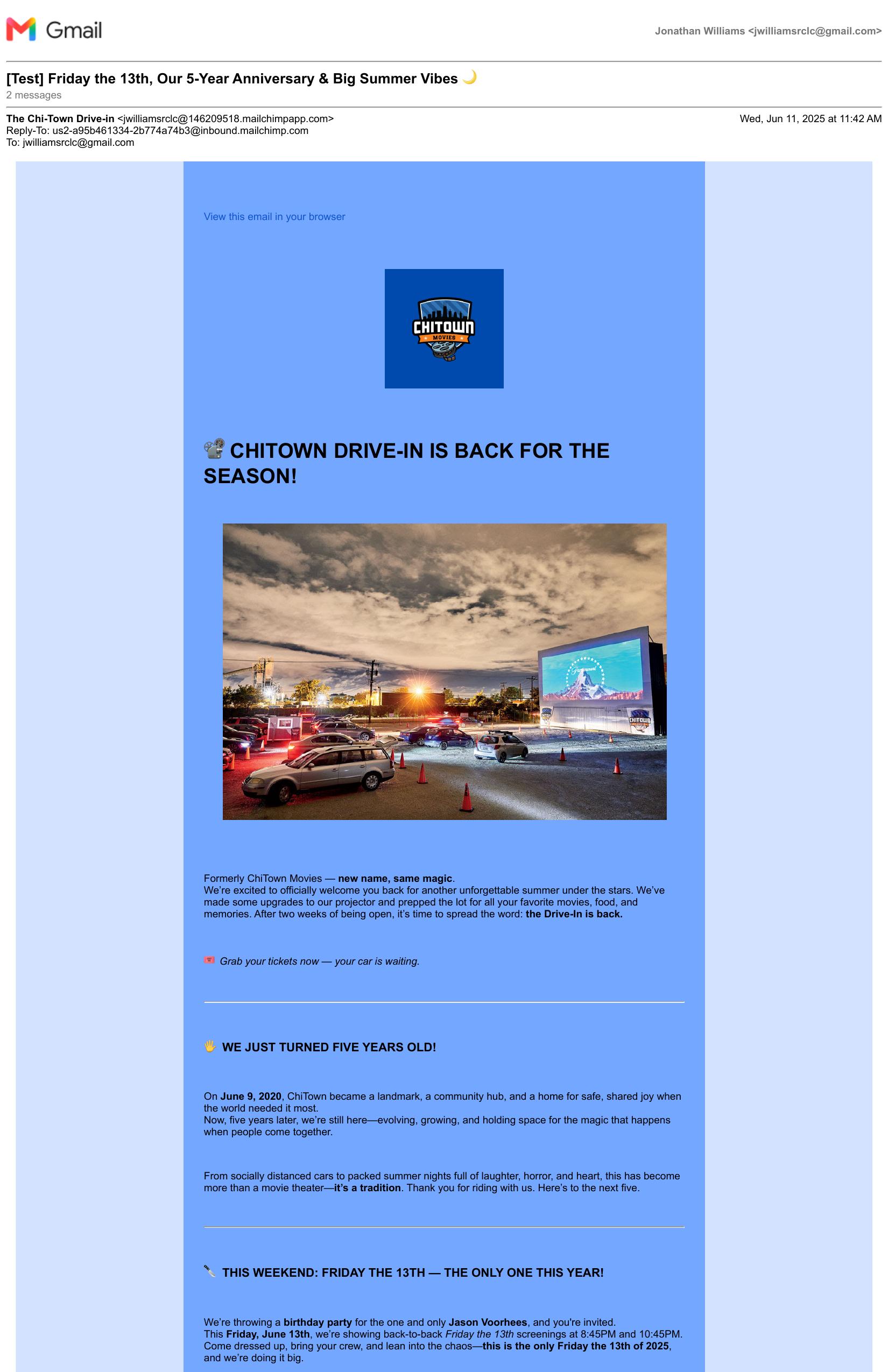
The fifth-anniversary send: hand-coded, brand-forward, and built to carry the “new name, same magic” rebrand alongside a Friday the 13th ticket push.
Read the full anniversary email
Part three · Private events and cultural partnerships
Building the private and community events flow gave the venue a bookable path for exactly this kind of programming. When companies and cultural partners could see what a buyout or a collaboration looked like — and how to book one — the lot stopped being just a movie screen. It became rentable, programmable space.
We partnered with the National Museum of Mexican Art for a Selena screening during the museum’s Selena Week — a community collaboration the new events flow made possible.
This is what the private events writing was for. Not a discount or a gimmick, but a clear, bookable offer that let the drive-in act like a cultural institution in Pilsen — one that shows up for the neighborhood it’s in and gets paid to do it.
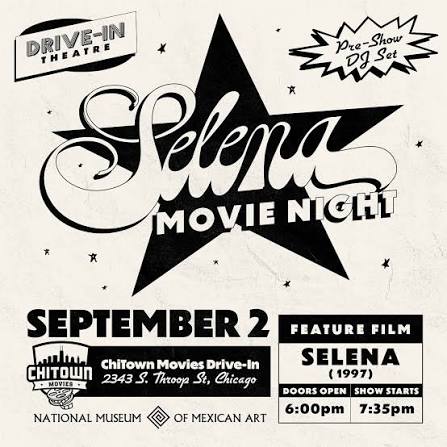
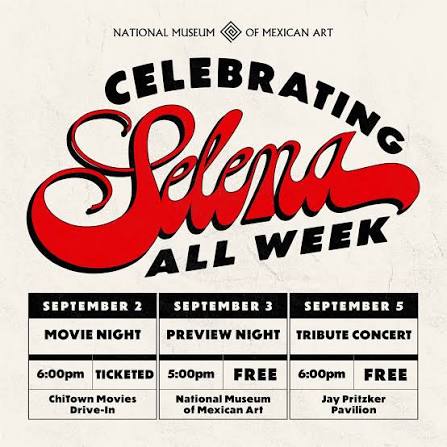
Selena Movie Night · ChiTown Drive-In × National Museum of Mexican Art. The flyers show the movie night and the wider Selena Week program, including preview night and a tribute concert.
The same flow, at brand scale: a McLaren × Fast Lane Drive activation — the kind of private buyout the events infrastructure was built to attract. Films like this are what got other companies excited about booking the lot.
The validation · Two “Best of Chicago” awards
It’s also what the press ended up rewarding. The community angle, not the novelty of the format, is what critics kept coming back to.
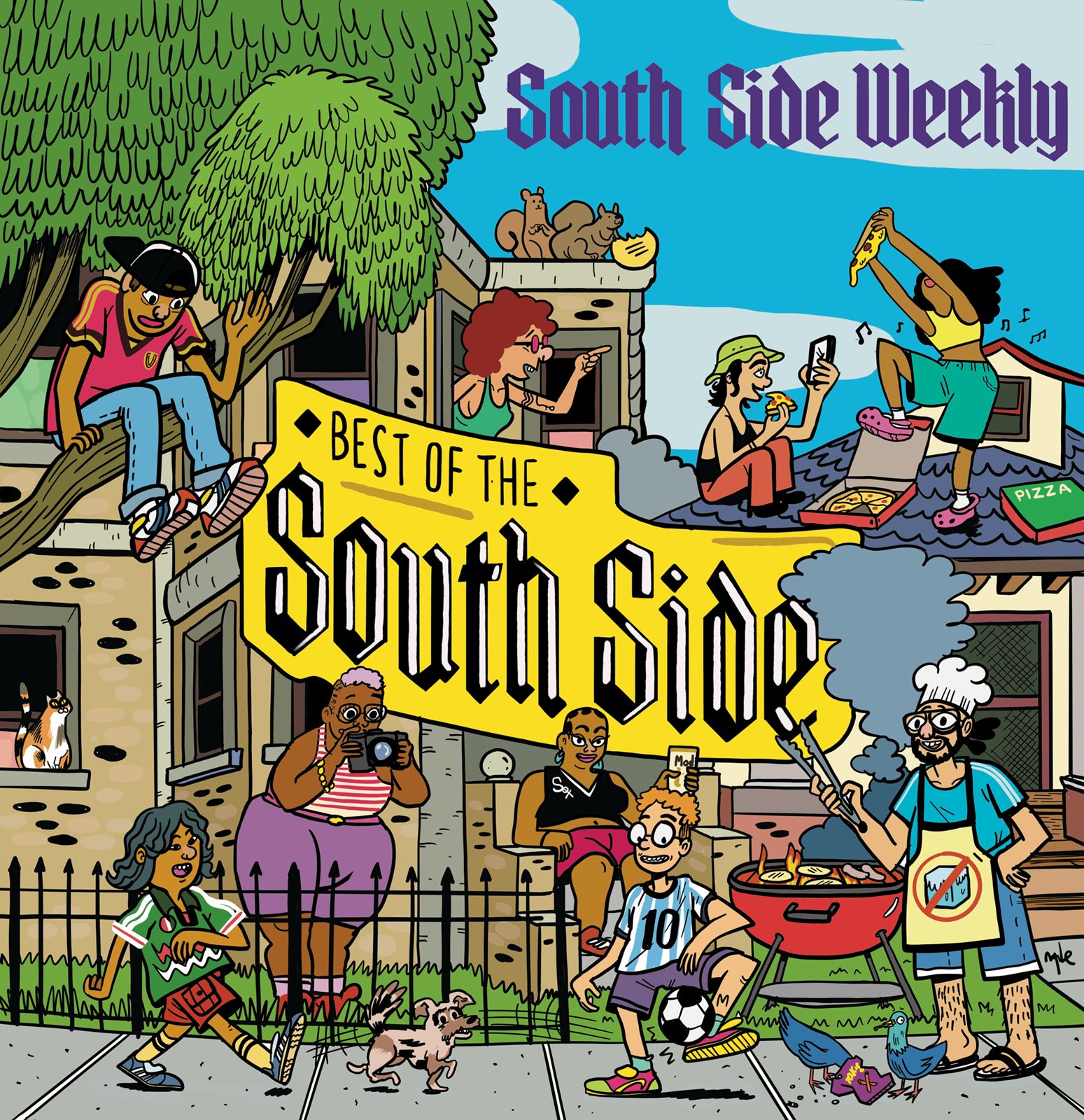
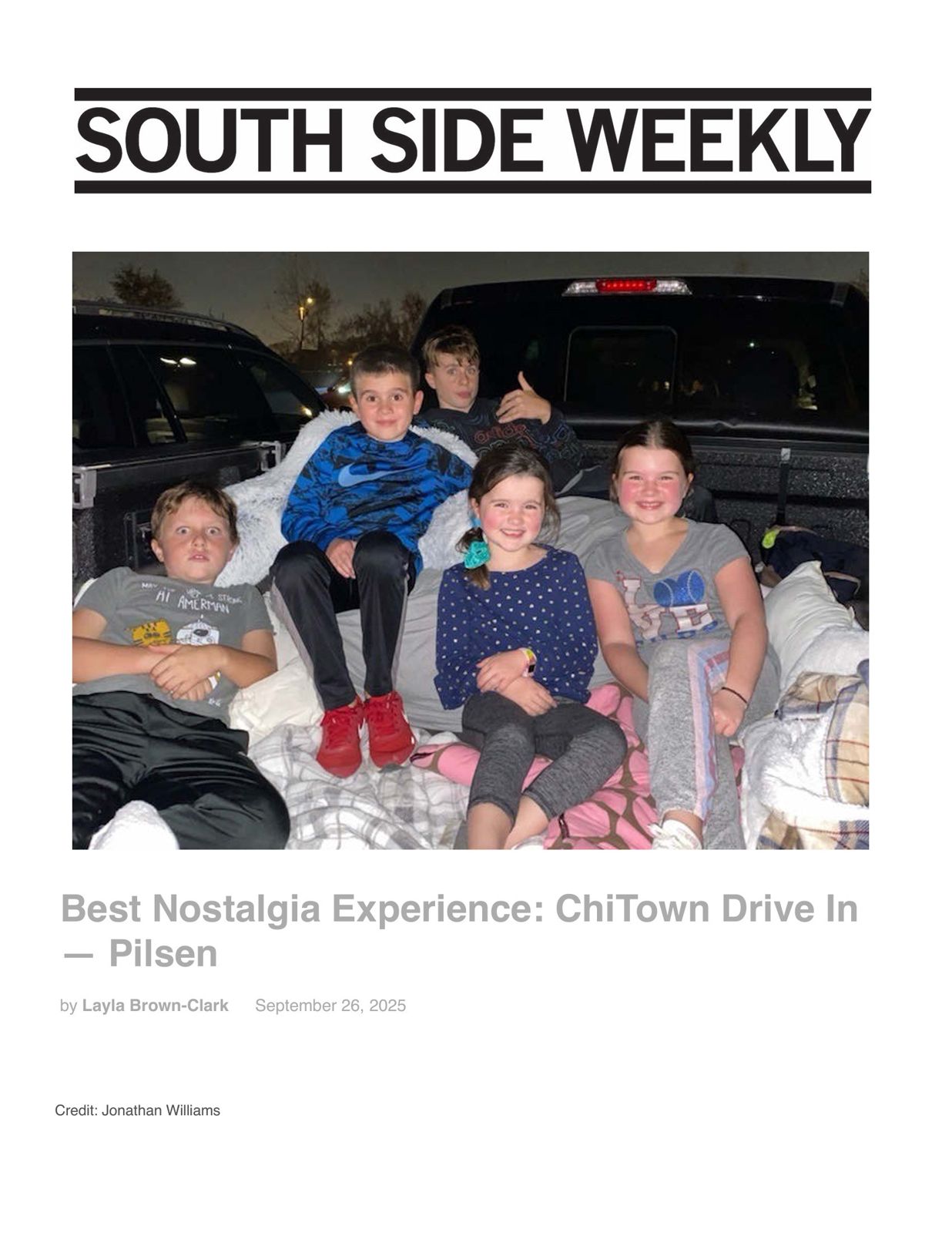
South Side Weekly · Best of 2025 · Best Nostalgia Experience. The draw was never the movie — it was the feeling and the experience. The fifth-year question became why people kept coming back, and the answer was that it had turned into the hub the community needed.
Read the South Side Weekly feature
Chicago Reader · Best of 2025 · Best Moviegoing Experience Born Out of the Pandemic. Born in response to the pandemic, still holding strong in Pilsen years later — one of the most intimate ways left to see a film in the city.
Read the Chicago Reader feature
What it took
One operator, one campaign, four channels pulling in the same direction. The website, the email program, the cultural partnerships, and the press all told a single story: this place is a choice, not a leftover. I wrote it, built it, shot it, and shipped it — then let the results and the critics confirm it landed.
That’s the work I do. Take something with a real audience but a fading reason to exist, find the brand’s actual point of view, and rebuild every surface people touch around it.
ChiTown Drive-In websiteAbout pagePrivate eventsBrand filmMcLaren activationThe Second Shift case study